
The People as Principal: Understanding Your Authority
A deep dive into the historical and lawful foundation of authority in the UK, and why Parliament is the agent, not the master.

The Question of Authority
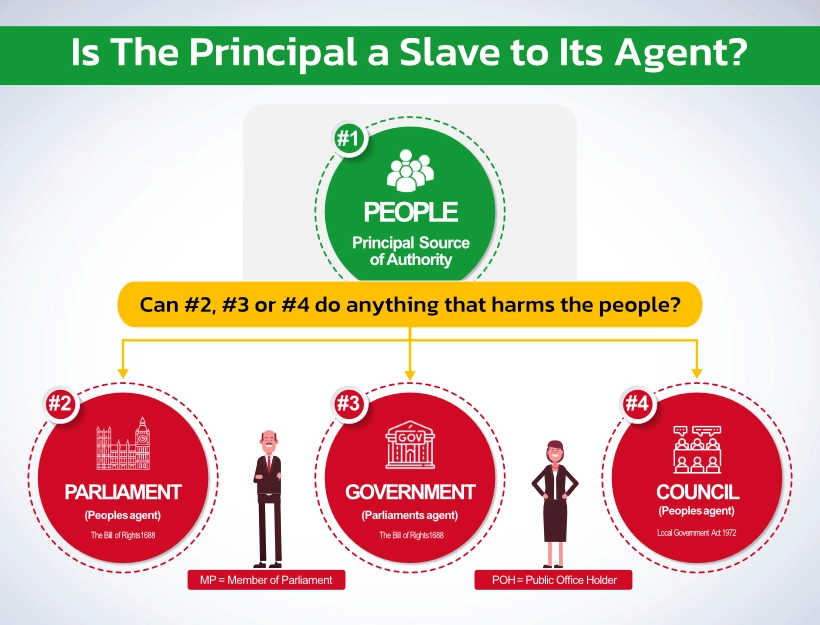
To effectively hold any public body to account, one must first ask the most fundamental question: Who is the principal authority? For centuries, Parliaments have made claims of supremacy, but these claims crumble when examined against the foundational documents that created Parliament itself.
"Is the Principal a slave to its Agent? The answer, rooted in law, is a definitive no. The people are the source of all authority, and Parliament is their agent."
A Time Before Parliament: The Divine Right of Kings
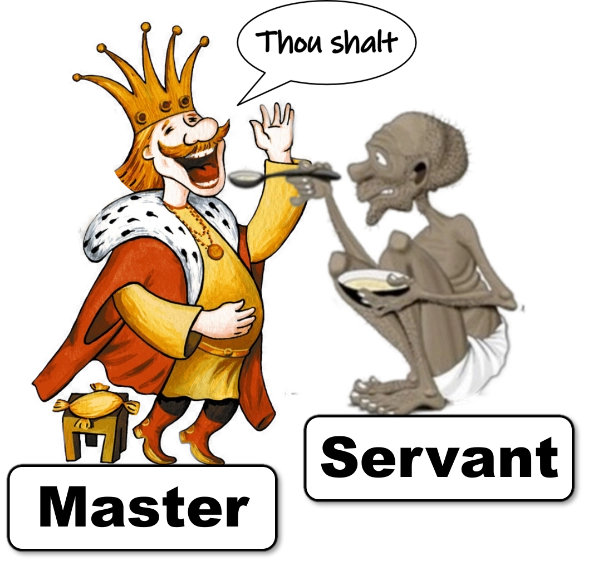
Prior to 1688, England was subject to the 'divine right of kings'. This meant the monarch could impose their will on anyone they chose, acting as the ultimate and unquestionable authority. King James II, in particular, ran amok over the ancient rights and liberties of the people, leading to a revolutionary shift in power.
How The People Created Parliament
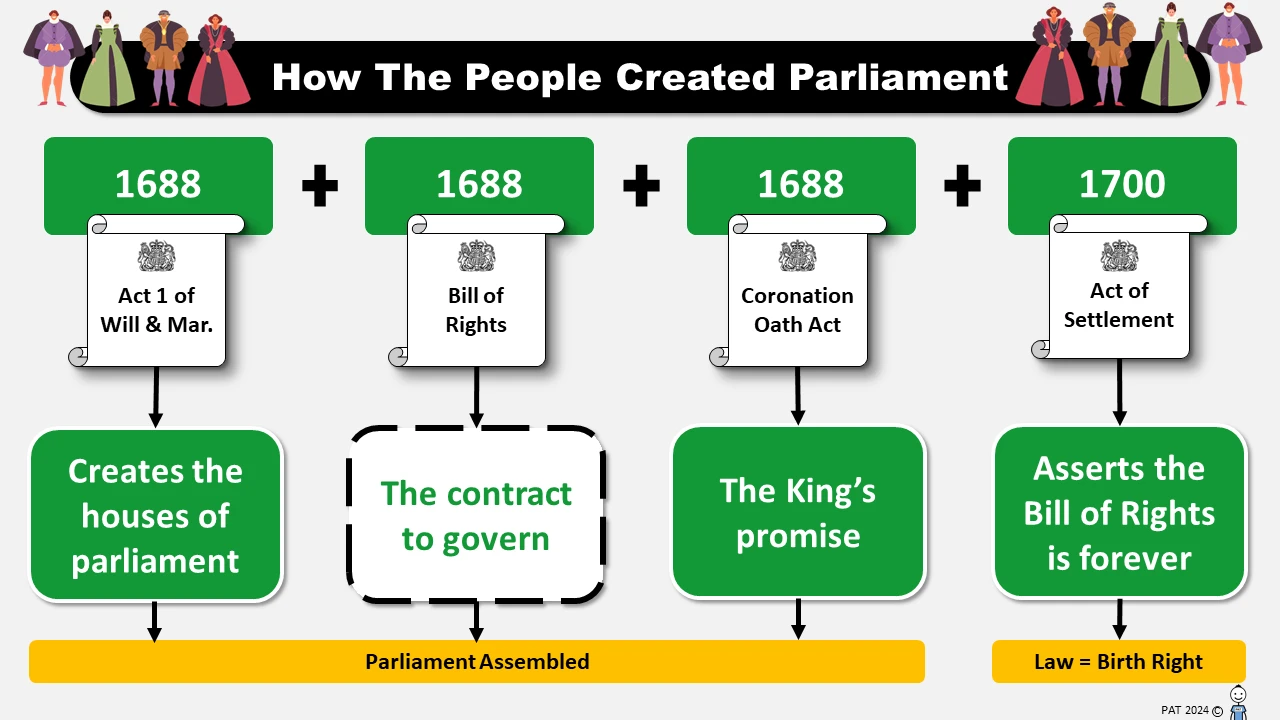
The modern structure of authority was not granted from on high; it was deliberately constructed by the people to protect their rights. This was achieved through a series of foundational legal acts that together form a contract between the people and those who govern.
Act 1 of William and Mary 1688
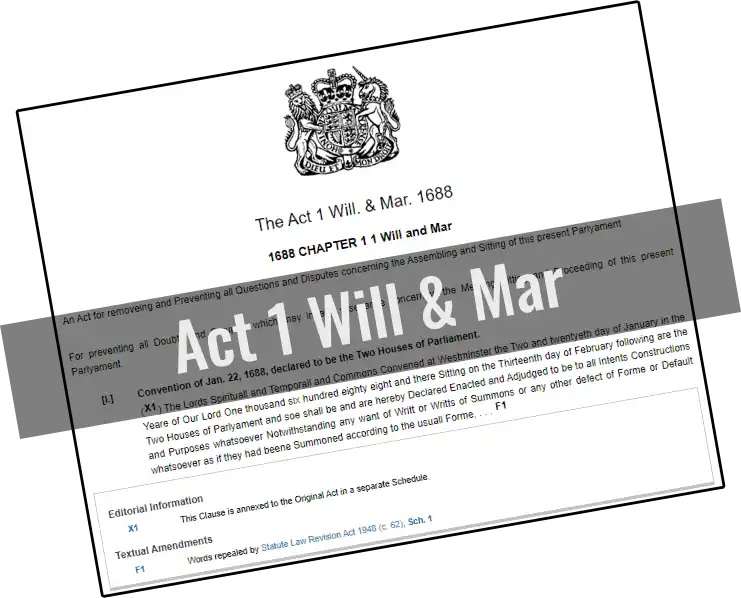
This act formally created the two houses of Parliament—the House of Lords and the House of Commons—as fictions of law representing the people.
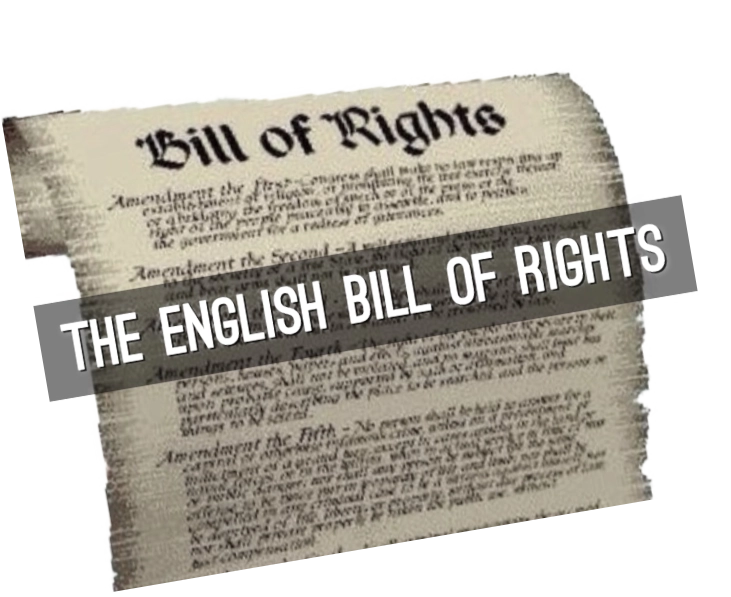
The Bill of Rights 1688
This is the contract. It explicitly states that those in Parliament are the people's "representatives" and, crucially, that they cannot do anything to the PREJUDICE (harm) of the people.
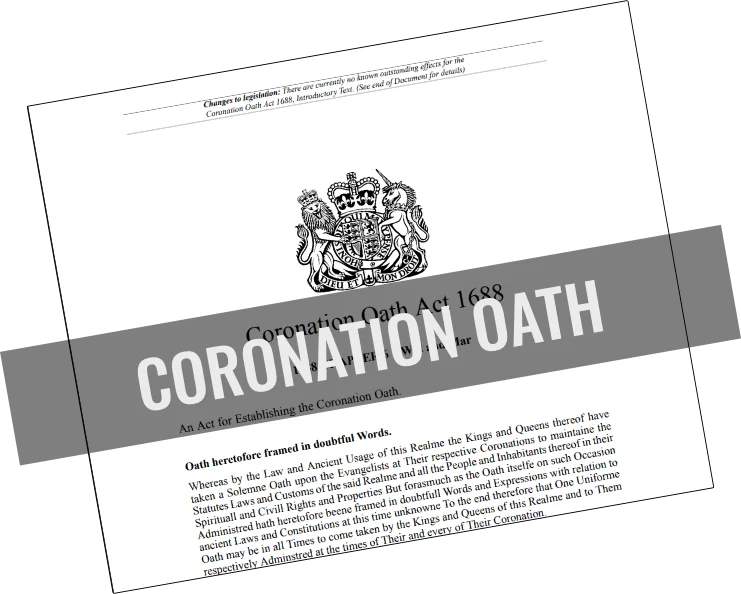
Coronation Oath Act 1688
This act binds the Monarch to govern the people according to the "Statutes in Parliament agreed upon" and, critically, according to their respective "laws and customs."
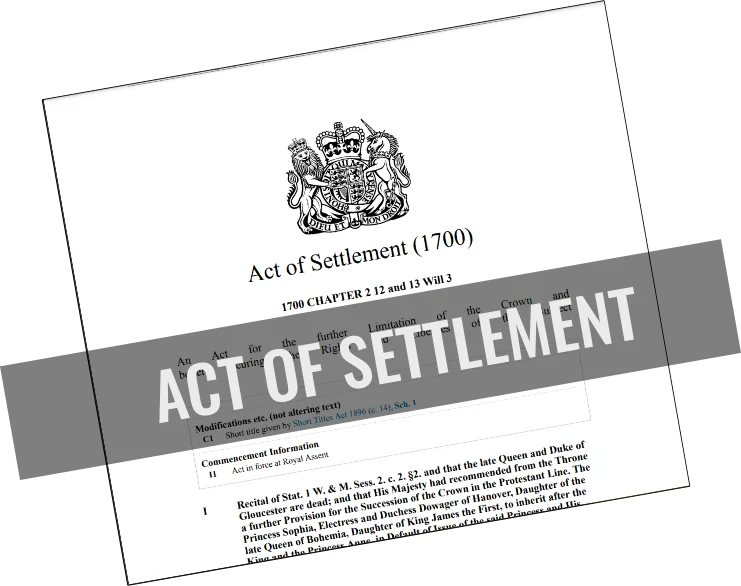
Act of Settlement 1700
This act clarifies any misunderstandings, asserts that the Bill of Rights is forever, and defines LAW as the PEOPLE'S BIRTHRIGHT.
Loading...